
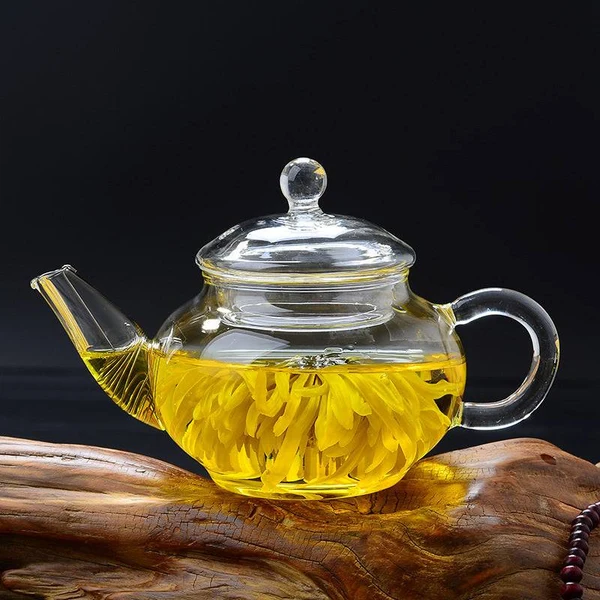
1.2 L Borosilicate Glass Teapot with Infuser
£35.99 incl. VAT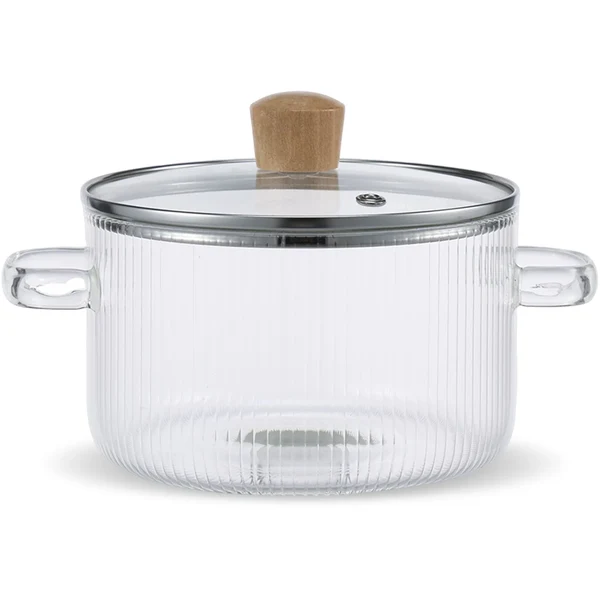
Borosilicate Glass Saucepan with Lid, 1.6 L Capacity
£112.99 incl. VAT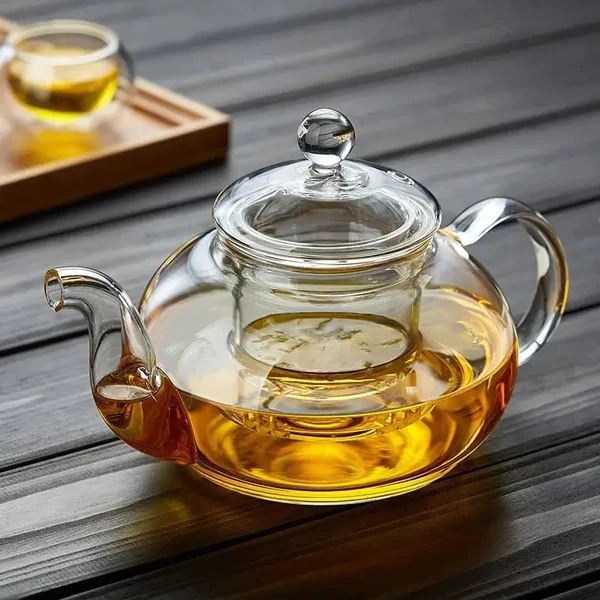
Borosilicate Glass Tea Pot
From £45.99 incl. VAT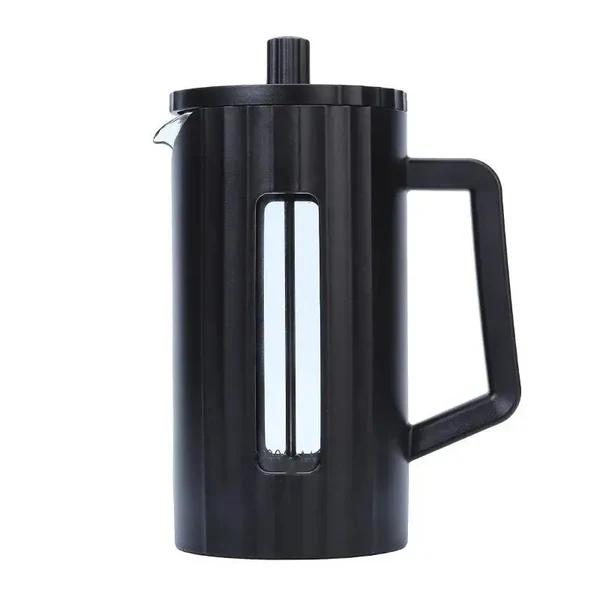
Borosilicate French Press
From £37.99 incl. VATPick a brand
Brand first, details second.
How to choose
- Bench protection and organisation: Keep safety goggles, nitrile gloves, stainless trays, and drying racks within reach before starting any mixing or heating run.
- Glass type and thermal tolerance: Choose borosilicate glass for flasks, beakers, and distillation glassware exposed to heating, cooling, or corrosive reagents.
- Amber versus clear storage bottles: Use amber glass reagent and dropper bottles for light-sensitive liquids, and clear borosilicate jars where visual inspection matters.
- Let what you already own guide material and colour, so new and old sit well together.
- Compare materials for feel, weight and care, and pick the one that fits your routine.
Frequently asked questions
What is the difference between a volumetric flask and an Erlenmeyer flask?
A volumetric flask is calibrated to hold one precise volume at its neck mark, while a conical Erlenmeyer flask is built for swirling, mixing, and heating.
How should I wash borosilicate flasks, funnels, and amber glass bottles?
Rinse residue soon after use with warm water and mild laboratory detergent using a soft bottle brush, then rinse thoroughly with distilled water.
Where should I look if borosilicate flasks might not fit my needs?
If borosilicate flasks might not be the right fit, the related kinds are worth comparing on the same points: Analytical Scales, Lab Thermometers, Lab Microscopes, Lab Safety Gear and Lab Forceps.