
Glass Laboratory Beakers
Material first, then size and finish: that is the order for glass laboratory beakers. Many materials change with use; some soften or develop a patina, others stay much as they were.
Related: Laboratory Beakers
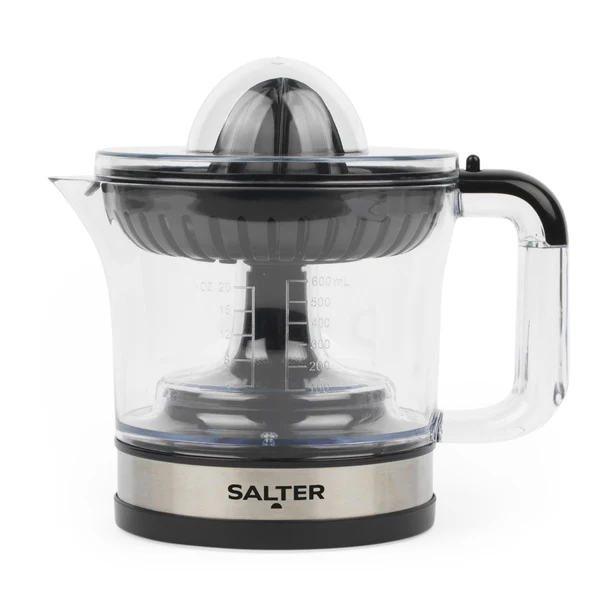
Salter Electric Fruit Juicer with 600 ml Measuring Jug
£80.99 incl. VAT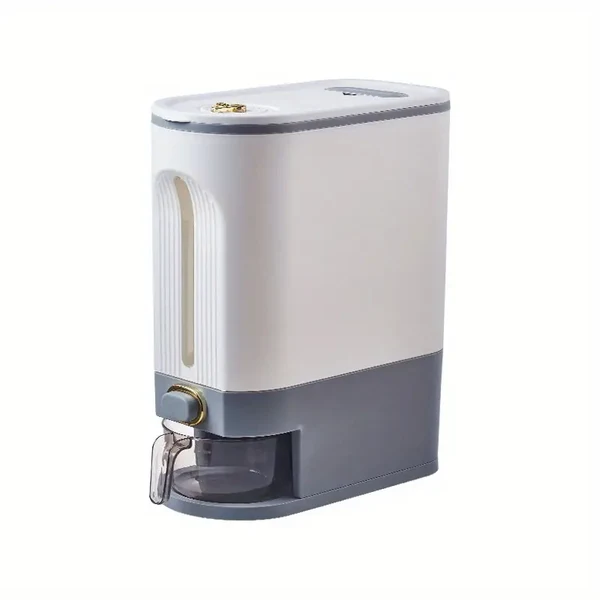
Large Rice Bucket with Measuring Cup, 22 lb Capacity
£168.99 incl. VAT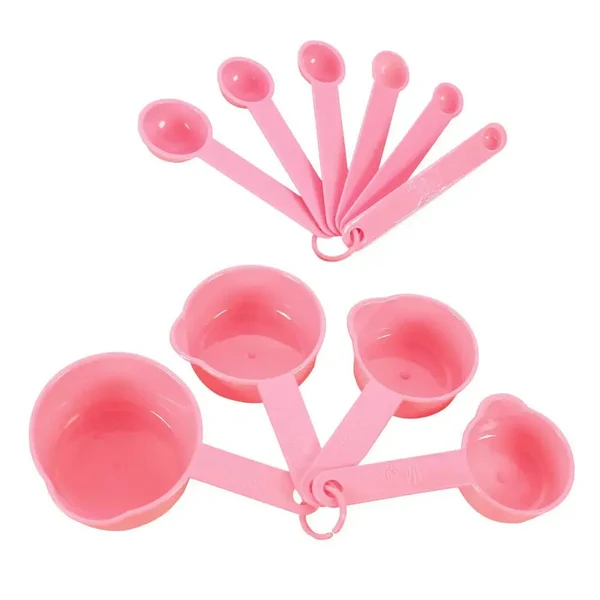
10-Piece Plastic Measuring Cups Set, 1.25 ml to 15 ml
£27.99 incl. VAT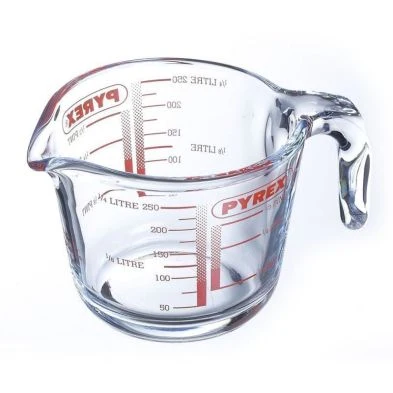
Measuring Jug, 0.25 L
£28.99 incl. VAT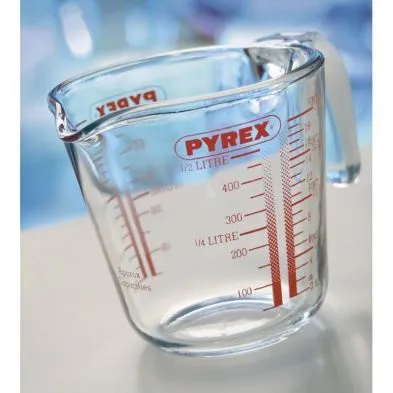
1 Pint Measuring Jug, Centenary Edition
£31.99 incl. VAT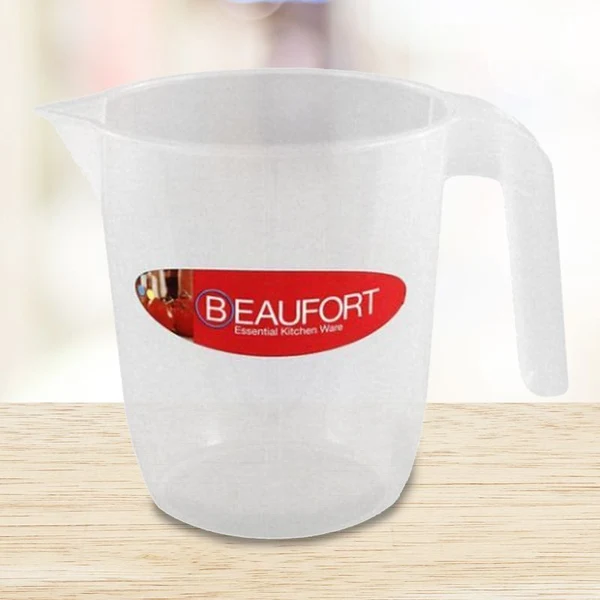
1 Litre Kitchen Measuring Jug
£23.99 incl. VAT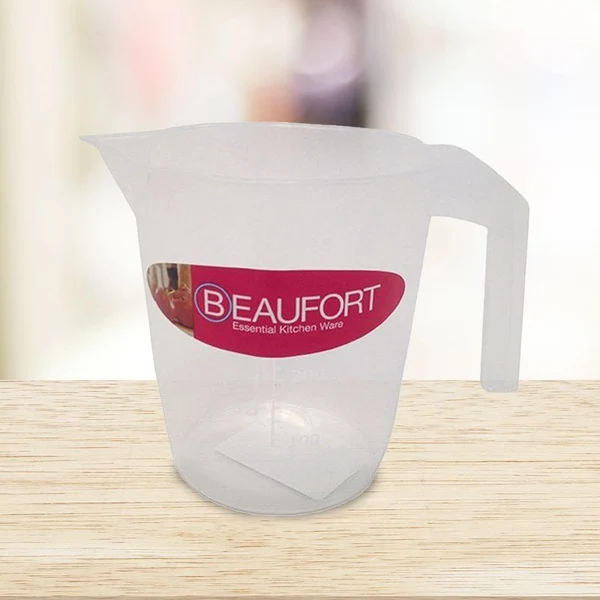
500 ml Measuring Jug
£20.99 incl. VAT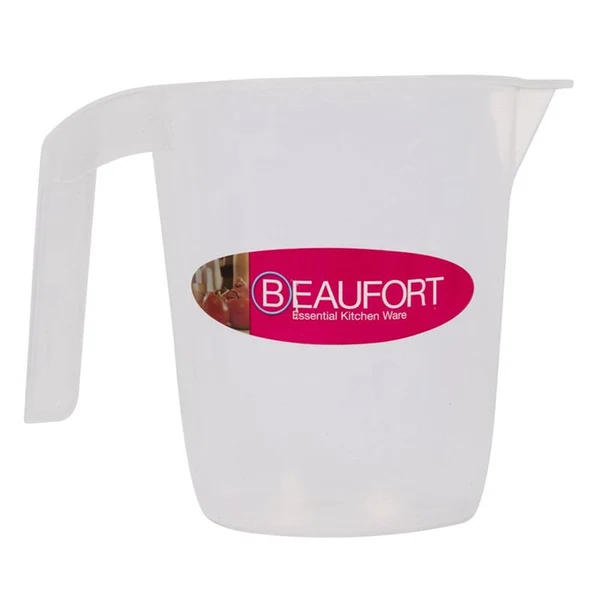
2 L Measuring Jug
£23.99 incl. VATHow to choose
- Expect slight variation in colour and texture if the material is natural.
- Check thickness or density, as both affect how the material holds its shape.
- Look at the finish: sealed, coated, polished or raw surfaces behave differently.
Frequently asked questions
How do I dry laboratory glassware without water spots?
Place rinsed flasks, test tubes, and bottles inverted on a clean draining rack to air dry naturally away from bench dust.
Why is borosilicate glass preferred over soda-lime glass in laboratories?
Borosilicate glass expands far less under rapid temperature changes and resists attack from most common laboratory acids and solvents.
Is this material heavy?
Weight depends on the material, its thickness and the design; compare the stated weights of glass laboratory beakers where given, or judge from dimensions and material.
How do I keep glass laboratory beakers looking good?
To keep glass laboratory beakers looking good, follow the care notes for the material, avoid long exposure to heat or damp unless it is made for that, and store everything dry.
How does the material affect glass laboratory beakers?
In glass laboratory beakers, the material sets weight, feel, appearance and upkeep, and it shapes how each piece ages with regular use.