
Plastic Laboratory Beakers
Know how the material behaves, and choosing plastic laboratory beakers gets easy. Many materials change with use; some soften or develop a patina, others stay much as they were.
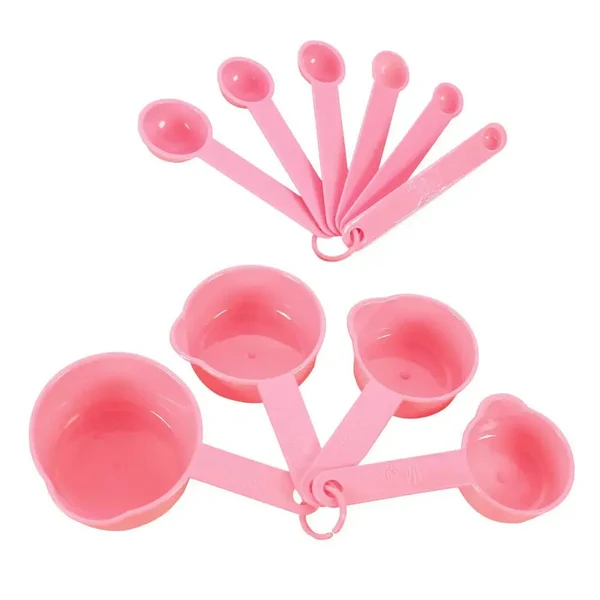
10-Piece Plastic Measuring Cups Set, 1.25 ml to 15 ml
£27.99 incl. VATHow to choose
- Check thickness or density, as both affect how the material holds its shape.
- Look at the finish: sealed, coated, polished or raw surfaces behave differently.
- Look past the material name to the grade, composition and finish described.
- Step back to compare every material in one place: Laboratory Beakers.
- Check storage needs: some materials prefer to be kept dry, flat or out of direct light.
Frequently asked questions
How do I keep plastic laboratory beakers looking good?
To keep plastic laboratory beakers looking good, follow the care notes for the material, avoid long exposure to heat or damp unless it is made for that, and store everything dry.
How does the material affect plastic laboratory beakers?
In plastic laboratory beakers, the material sets weight, feel, appearance and upkeep, and it shapes how each piece ages with regular use.
Does the finish matter for plastic laboratory beakers?
Yes: in plastic laboratory beakers, a sealed, coated or polished finish changes how the material looks, feels and copes with everyday use.